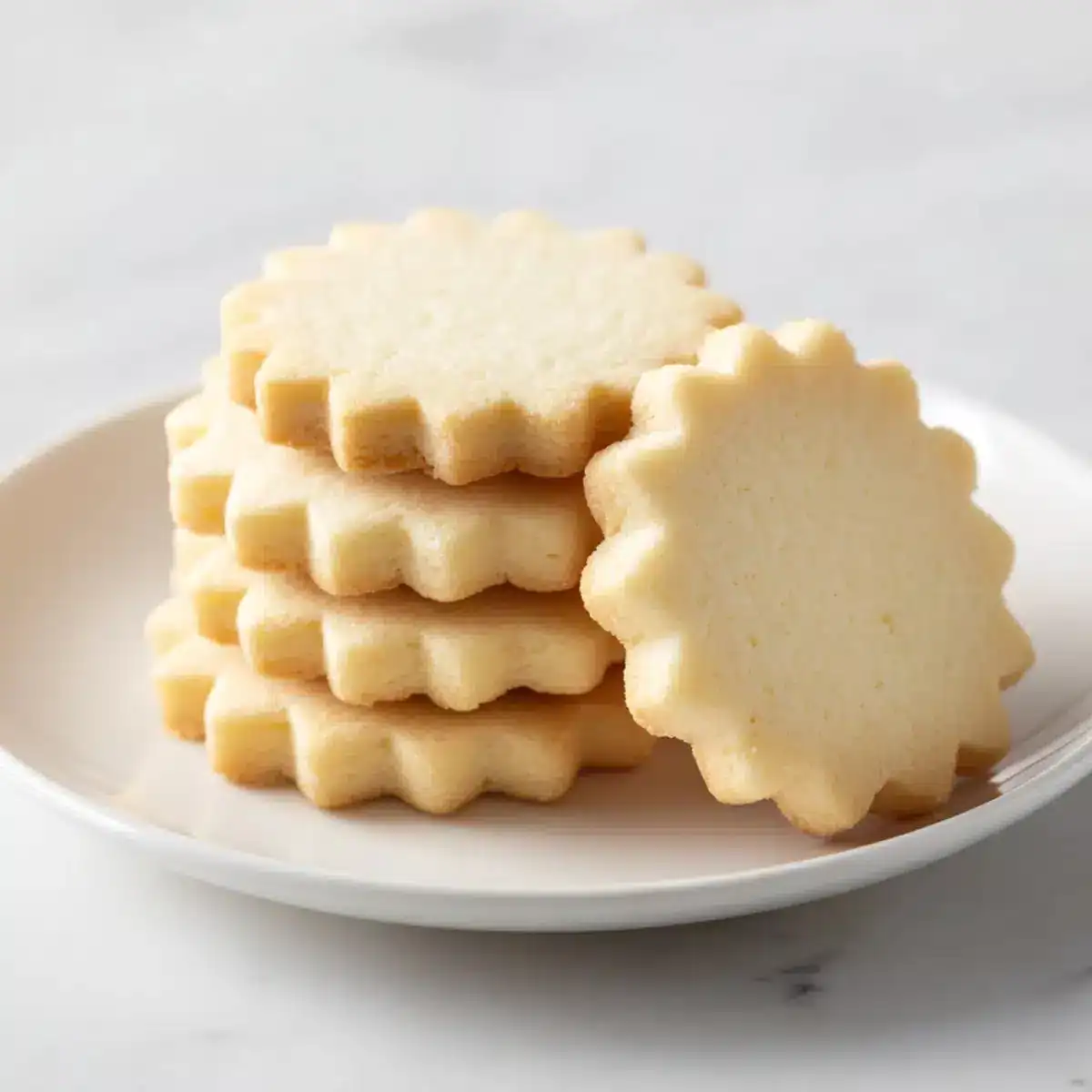
Perfect Classic Shortbread: Pro Tips for Non-Crumbly Dough & Make-Ahead
There’s a reason why the classic shortbread cookie has captivated hearts and palates for centuries. Hailing from Scotland, this humble yet sublime treat is a testament to the power of simple, high-quality ingredients. With just butter, sugar, flour, and a touch of cornstarch, you can create a cookie that is wonderfully crisp, delightfully tender, and truly melts in your mouth. Whether you’re searching for the perfect addition to a holiday platter, an elegant afternoon tea companion, or simply a comforting treat, a reliable
shortbread cookies recipe is an invaluable treasure in any baker's repertoire.
While the ingredients are few and the process seemingly straightforward, many aspiring bakers encounter a common hurdle: a crumbly, uncooperative dough. But fear not! With a few expert tips and a deeper understanding of the science behind this beloved cookie, you can master the art of non-crumbly shortbread and even learn how to prepare it in advance, making your baking experience truly stress-free.
Mastering the Dough: Pro Tips for a Non-Crumbly Shortbread
The quest for perfect shortbread often begins and ends with the dough. Its signature delicate texture relies on specific conditions, and overlooking these can lead to frustration. Here’s how to ensure your shortbread dough comes together beautifully every time.
The Butter Factor: Temperature is Key
One of the most frequent culprits behind a crumbly shortbread dough is incorrectly tempered butter. Shortbread is essentially a butter-rich cookie, and the butter needs to be *just right* to properly emulsify with the sugar and incorporate into the flour.
*
Why Softened Butter? When butter is too cold, it remains in hard chunks and won't blend evenly with the dry ingredients. This prevents the dough from coming together into a cohesive mass. Perfectly softened butter, on the other hand, is pliable and creamy, allowing it to coat the flour particles effectively, resulting in a smooth, workable dough.
*
Achieving Perfection: "Softened" means yielding to gentle pressure, but not melted or oily. Take your butter out of the refrigerator at least an hour or two before you plan to bake. If you're short on time, you can cut the butter into smaller pieces to speed up the process, or even microwave it for 10-15 seconds at a time, flipping and checking until it reaches the desired consistency. Avoid melting it completely, as this can negatively impact the cookie's texture.
Accurate Measurement: The Silent Dough Killer
Baking, unlike cooking, is a science, and precision in measurement is paramount. This holds especially true for your shortbread flour and cornstarch.
*
The Problem with Scooping: Many home bakers scoop flour directly from the bag with their measuring cup. This action compacts the flour, adding significantly more than intended by the recipe. Excess flour leads to a dry, crumbly dough that simply won't come together.
*
The Spoon-and-Level Method: For the most accurate results, always *spoon* your flour (and cornstarch) into your measuring cup until it overflows slightly. Then, use the flat edge of a knife or a straight spatula to *level* off the excess. This technique ensures you're using the precise amount of dry ingredients, crucial for a tender, non-crumbly dough.
*
The Role of Cornstarch: Don't skip the cornstarch! While not always found in every traditional
shortbread cookies recipe, it plays a vital role in many modern adaptations. It helps inhibit gluten development in the flour, contributing to that signature delicate, melt-in-your-mouth texture. Treat it with the same measuring precision as your flour.
The Emergency Fix: When Dough Still Won't Cooperate
Even with the best intentions and careful measurements, sometimes the dough still seems too dry. Don't despair! There's a simple fix. If your dough is excessively crumbly and refuses to hold together when pressed, add one more tablespoon of *softened* butter. Mix it in thoroughly, preferably with your hands, until the dough becomes cohesive. Continue adding butter, one tablespoon at a time, if needed, until the dough forms a shaggy but manageable mass that can be pressed together without crumbling.
Don't Overwork It!
While you want the dough to come together, it’s equally important not to overmix or overwork it. Shortbread's delicate texture relies on minimal gluten development. Overworking the dough will develop the gluten in the flour, resulting in tough, chewy cookies instead of the crisp, tender shortbread you're aiming for. Mix just until the ingredients are combined and the dough forms.
Elevating Your Shortbread: Flavor Twists & Customization
While a classic
shortbread cookies recipe is perfect in its pure, buttery form, it also serves as an incredible canvas for various flavor enhancements.
Classic Enhancements
*
Vanilla Extract: A teaspoon of good quality vanilla extract beaten in after creaming the butter and sugar will deepen the inherent sweetness and aroma of the cookies.
*
Citrus Zest: For a bright, fragrant twist, add 2 teaspoons of finely grated lemon or orange zest. The oils in the zest infuse beautifully into the butter, providing a delightful zing. Add it with the vanilla extract for even distribution.
*
A Pinch of Salt: While some recipes include salt from the start, ensure your dough has a good balance. A pinch of fine sea salt can elevate the buttery notes and counteract excessive sweetness.
Creative Variations
Beyond the classics, don't hesitate to experiment!
* **Nutty Notes:** A few tablespoons of finely ground almonds or pistachios can add a subtle richness and texture.
* **Spice It Up:** Incorporate warm spices like cardamom, cinnamon, or a hint of ginger for a festive touch.
* **Chocolate Bliss:** Fold in mini chocolate chips or dip cooled baked shortbread in melted dark or white chocolate. A sprinkle of flaky sea salt over the chocolate adds a gourmet finish.
* **Herbal Infusion:** For an unexpected sophistication, try a touch of finely chopped fresh rosemary or lavender.
For more exciting ways to transform your basic shortbread into extraordinary creations, check out our guide on
Beyond Basic Shortbread: Easy Recipes, Flavor Twists & Make-Ahead Tips.
The Art of Make-Ahead Shortbread: Dough & Baked Cookies
One of the most appealing aspects of shortbread is its make-ahead potential. Both the dough and the baked cookies store beautifully, making them perfect for busy schedules or holiday baking marathons.
Prepping Dough in Advance
Preparing your shortbread dough ahead of time is a fantastic way to streamline your baking process and can even lead to more flavorful cookies as the flavors meld.
*
Refrigeration (Up to 3 Days): Once your dough is mixed, form it into a disk or log, depending on your preferred final shape. Wrap it tightly in several layers of plastic wrap to prevent it from drying out or absorbing refrigerator odors. Refrigerate for up to 3 days. When ready to bake, let the dough sit at room temperature for 15-30 minutes to soften slightly, making it easier to roll or slice.
*
Freezing Dough (Up to 1 Month): For longer storage, you can freeze shortbread dough for up to 1 month. Wrap the tightly cling-filmed dough in an additional layer of aluminum foil or place it in an airtight freezer bag. Thaw the dough overnight in the refrigerator before rolling, slicing, and baking as usual.
Storing Baked Shortbread Perfection
Baked shortbread cookies also have an excellent shelf life, allowing you to bake in batches and enjoy them over time.
*
Room Temperature (Up to 1 Week): Once completely cooled, store your shortbread in an airtight container at room temperature. Ensure the container is truly airtight to prevent the cookies from absorbing moisture and losing their crispness.
*
Freezing Baked Cookies (Up to 3 Months): For longer storage, freeze baked shortbread cookies. Arrange cooled cookies in a single layer on a baking sheet to freeze solid, then transfer them to an airtight freezer-safe container or bag, separating layers with parchment paper. They will keep well for up to 3 months. Thaw at room temperature before serving.
Shaping Your Shortbread
The versatility of shortbread extends to its shaping.
*
Cut-Outs: Press the dough into a disk, chill, then roll out and use cookie cutters for classic shapes, perfect for holidays.
*
Slice-and-Bake Rounds: Roll the dough into a log, chill thoroughly, then slice into uniform rounds before baking. This is excellent for consistency and ease.
*
Wedges/Fingers: Press the dough evenly into a round or square pan, chill, prick with a fork, and score into wedges or fingers before baking. This traditional method yields beautifully rustic results.
Beyond the Cookie Plate: Versatile Shortbread Applications
While utterly delicious on their own, shortbread cookies are also fantastic partners for other culinary delights. They are truly a "conduit," as some bakers describe them, meant to enhance and complement.
Enjoy your shortbread with:
*
A Hot Beverage: The classic pairing with a cup of coffee or tea is simply unbeatable.
*
Dessert Toppings: Crumble them over ice cream, yogurt, or fruit salads for added texture and buttery flavor.
*
Trifle Layers: Use them in place of sponge cake in a trifle for a rich, crumbly base.
*
Cheesecake Crusts: Crush them finely to create a decadent base for cheesecakes or other no-bake desserts.
It's important to note that shortbread cookies, with their distinct crisp-crumbly texture and rich buttery flavor, are fundamentally different from sugar cookies, which tend to be softer and chewier. If you're looking for that signature melt-in-your-mouth experience, you've come to the right place. For more on achieving that tender, buttery perfection, dive into our article on
Easy Buttery Shortbread: Melt-in-Your-Mouth Cookies.
Conclusion
Mastering the perfect classic shortbread is a rewarding endeavor that yields truly delectable results. By understanding the critical role of softened butter, practicing precise measurements, and knowing how to troubleshoot a crumbly dough, you're well on your way to baking shortbread perfection. With the added benefit of make-ahead options and endless flavor possibilities, this timeless
shortbread cookies recipe is poised to become a cherished staple in your kitchen, bringing joy and buttery bliss to every occasion. So, go ahead, get baking, and savor the simple elegance of homemade shortbread!