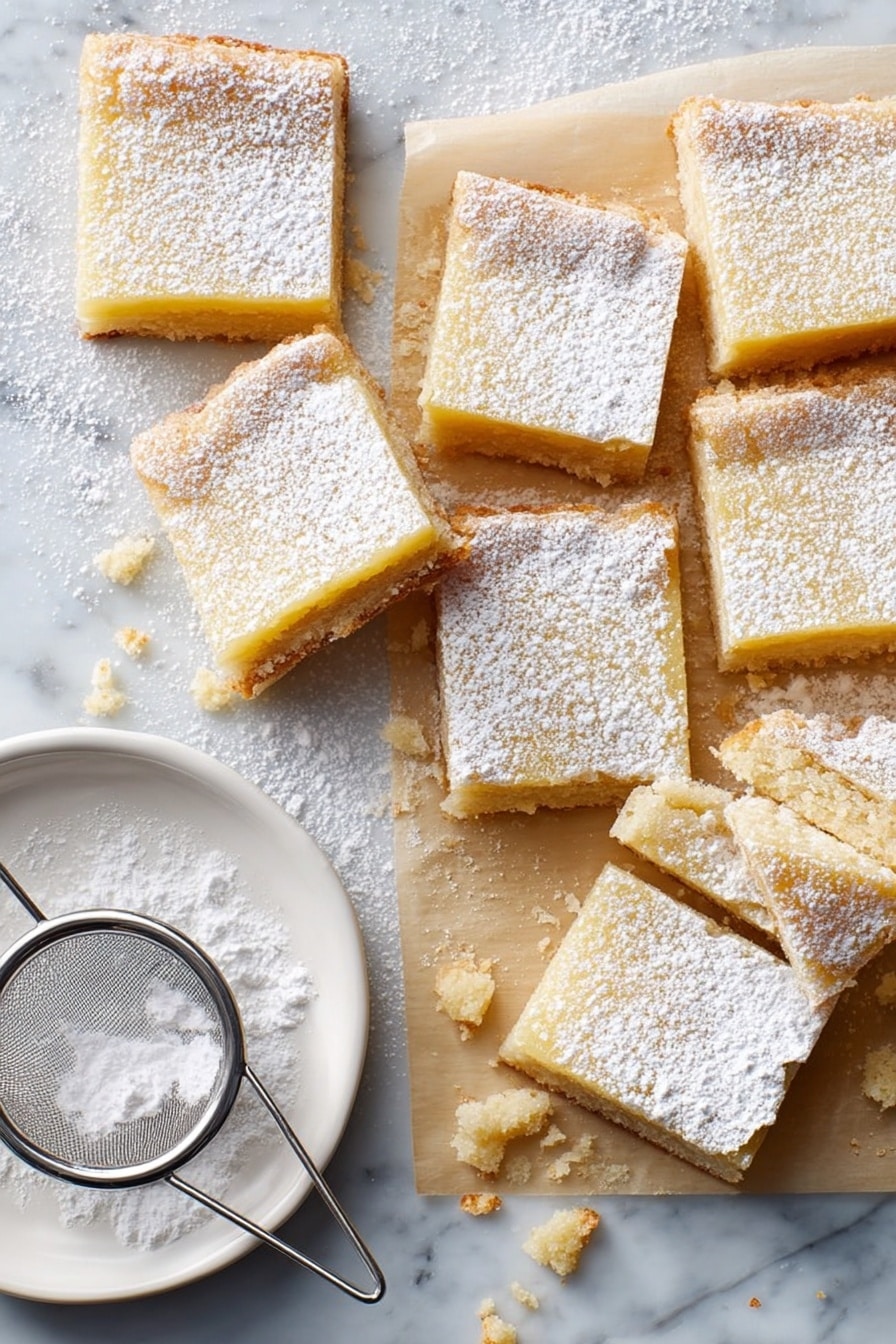
Easy Buttery Shortbread: Your New Go-To Melt-in-Your-Mouth Cookie Recipe
There are few baked goods as universally loved and instantly comforting as a perfectly crafted shortbread cookie. With its humble appearance, yet profoundly rich, buttery flavor and delicate, melt-in-your-mouth texture, shortbread stands as a timeless classic. If you're searching for an authentic, easy-to-follow
shortbread cookies recipe that delivers exceptional results every time, you've landed in the right place. This article will guide you through creating a batch of these tender, crisp-crumbly delights that are so irresistible, you might just find yourself reaching for "just one more" until the plate is empty.
For decades, home bakers have cherished the simple elegance of shortbread. Our refined version builds on years of experience, ensuring an easy-to-work-with dough that transforms into cookies that are delightfully tender and practically dissolve on your tongue. Forget overly complicated techniques; true shortbread magic lies in a few quality ingredients and careful handling. Whether it's a staple on your traditional Christmas cookie platter, a charming addition to an Easter dessert spread, a thoughtful Mother's Day treat, or simply an afternoon indulgence with your favorite cup of coffee or tea, this recipe proves that classic simplicity is often the most rewarding.
The Quintessential Easy Buttery Shortbread Cookies Recipe
The beauty of a truly great
shortbread cookies recipe lies in its minimalist ingredient list, typically featuring just four pantry staples: butter, sugar, flour, and a touch of cornstarch. Each component plays a vital role in achieving that signature texture and flavor. The high butter content is non-negotiable – it's what gives shortbread its name (less "shortening" in terms of length of gluten strands, making it "short" or crumbly) and its characteristic richness.
Using quality unsalted butter is paramount here; it allows the pure, sweet cream flavor to shine through. Granulated sugar provides the perfect sweetness and contributes to the cookie's delicate crispness. All-purpose flour forms the structure, but the secret ingredient often overlooked is cornstarch. Adding cornstarch helps reduce gluten development, leading to a much more tender, melt-in-your-mouth crumb rather than a chewy one. This combination results in cookies that are crisp yet tender, buttery, and utterly delightful. The preparation itself is straightforward, typically involving creaming butter and sugar, then gently incorporating the dry ingredients, ensuring not to overmix the dough. The result is a simple dough that comes together beautifully, setting the stage for perfectly baked shortbread.
Crumbly Dough? Troubleshooting Common Shortbread Challenges
While a good shortbread recipe is inherently simple, sometimes bakers encounter a common hurdle: crumbly dough. Shortbread dough is indeed designed to be on the drier side, but if it's so crumbly that it refuses to come together, a couple of factors might be at play. Don't despair; these issues are easily remedied! For more detailed advice, check out our guide on
Perfect Classic Shortbread: Pro Tips for Non-Crumbly Dough & Make-Ahead.
1.
Too Cold Butter: The most frequent culprit is butter that isn't sufficiently softened. Butter needs to be at room temperature – pliable but not melted – to properly cream with the sugar and incorporate evenly into the flour. If your butter is too cold, it won't blend correctly, leaving you with dry flour pockets and a stubbornly crumbly dough. Plan ahead and let your butter sit out for at least an hour before you begin baking.
2.
Too Much Flour (or Cornstarch): Measuring flour incorrectly is another common pitfall. Many bakers scoop flour directly from the bag, which can compact it, leading to significantly more flour than the recipe intends. For accurate results, always *spoon* your flour into the measuring cup and then level it off with a straight edge. Apply the same precise measuring technique to your cornstarch. An excess of dry ingredients will inevitably lead to a dry, unworkable dough.
3.
Overworking the Dough: While not directly causing extreme crumbliness, overworking the dough can develop too much gluten, which toughens the cookies. Mix just until the dough comes together.
If, after checking these points, your dough still seems too dry and crumbly to form a cohesive ball, there's an easy fix: incrementally mix in one more tablespoon of softened butter. This extra fat often provides just enough moisture to bring the dough together, allowing it to hold its shape for rolling or pressing. Remember, achieving that tender, buttery texture is a balance, and a little adjustment can make all the difference.
Flavor Twists & Creative Shortbread Servings
One of the most appealing aspects of shortbread is its versatility. While utterly delicious in its pure, unadorned form, this classic cookie serves as an excellent canvas for an array of delightful flavor variations. You can easily elevate your basic
shortbread cookies recipe with simple additions to suit any palate or occasion.
*
Vanilla Extract: A teaspoon of good quality vanilla extract beaten in after creaming the butter and sugar will add a warm, comforting aroma and subtle sweetness.
*
Citrus Zest: For a bright and fragrant twist, try adding 1-2 teaspoons of finely grated orange or lemon zest. The oils in the zest infuse beautifully into the butter, creating a refreshing burst of flavor. Add it to the butter and sugar mixture early on to ensure even distribution.
*
Other Extracts: Almond extract offers a sophisticated, nutty undertone, while a hint of lavender extract can provide an elegant floral note.
*
Spices: Cinnamon, cardamom, or even a touch of ginger can transform shortbread into a warmly spiced treat, perfect for autumn or winter.
*
Chocolate: Mini chocolate chips folded into the dough, or dipping baked shortbread wedges in melted dark chocolate, adds a luxurious touch.
Beyond flavor enhancements, shortbread is also incredibly adaptable in how it's served. These aren't just cookies to be eaten alone! Their crisp, buttery profile makes them a perfect *conduit* for other flavors and textures. Imagine them as:
* A delightful accompaniment to fresh berries and whipped cream.
* A sturdy base for a scoop of vanilla bean ice cream, perhaps with a drizzle of caramel.
* Dipped in a rich lemon curd or raspberry jam.
* Crumbled over yogurt or fruit salad for added texture.
You can also shape your shortbread in various ways: classic pan-baked wedges, elegant cut-outs using cookie cutters, or simple slice-and-bake rounds. Each presentation offers a slightly different aesthetic and experience. Remember, shortbread, with its unique crumbly texture and rich butter flavor, stands distinctly apart from sugar cookies. It offers a humble beauty and a tantalizing play between sugar, salt, and butter that is truly unmatched. For even more ideas and creative serving suggestions, explore our article on
Beyond Basic Shortbread: Easy Recipes, Flavor Twists & Make-Ahead Tips.
Make Ahead Magic: Preparing Shortbread for Any Occasion
One of the many benefits of a reliable
shortbread cookies recipe is its incredible make-ahead flexibility, making it an ideal choice for holiday baking, gifting, or simply ensuring you always have a delightful treat on hand. Both the dough and the baked cookies can be prepared in advance, saving you time and effort when you need it most.
*
Making Dough Ahead: The shortbread dough is wonderfully forgiving. You can prepare it up to 3 days in advance. Simply wrap the dough tightly in plastic wrap (or beeswax wrap) to prevent it from drying out, and store it in the refrigerator. When you're ready to bake, let it sit at room temperature for about 15-20 minutes to soften slightly before rolling or shaping.
*
Freezing Dough: For longer storage, shortbread dough freezes beautifully for up to 1 month. Form the dough into a disc or a log (depending on your desired cookie shape), wrap it thoroughly in plastic wrap, then place it in an airtight freezer-safe bag or container. Thaw the dough overnight in the refrigerator before using.
*
Storing Baked Cookies: Once baked, shortbread cookies maintain their freshness remarkably well. Store them at room temperature in an airtight container for up to 1 week. To maintain their crispness, you can place a piece of parchment paper between layers of cookies.
*
Freezing Baked Cookies: Baked shortbread cookies can also be frozen for up to 3 months. Once completely cooled, arrange them in a single layer on a baking sheet to freeze solid, then transfer them to an airtight freezer-safe container or bag, separating layers with parchment paper. Thaw at room temperature when ready to enjoy.
This make-ahead capability makes shortbread an indispensable part of any baker's repertoire, allowing you to whip up a batch of dough on a quiet afternoon and have freshly baked cookies ready to impress guests or satisfy cravings with minimal fuss later on.
There’s a reason why the simple, buttery shortbread has endured for centuries, delighting palates across the globe. This easy
shortbread cookies recipe offers a gateway to that timeless tradition, promising melt-in-your-mouth perfection with every bite. From its minimal ingredient list to its forgiving nature and incredible versatility, shortbread truly is the quintessential cookie. So, gather your ingredients, follow these simple steps, and prepare to fall in love with the humble yet magnificent charm of homemade shortbread. Happy baking!