Beyond Basic Shortbread: Unlocking Easy Recipes, Flavor Twists & Make-Ahead Magic
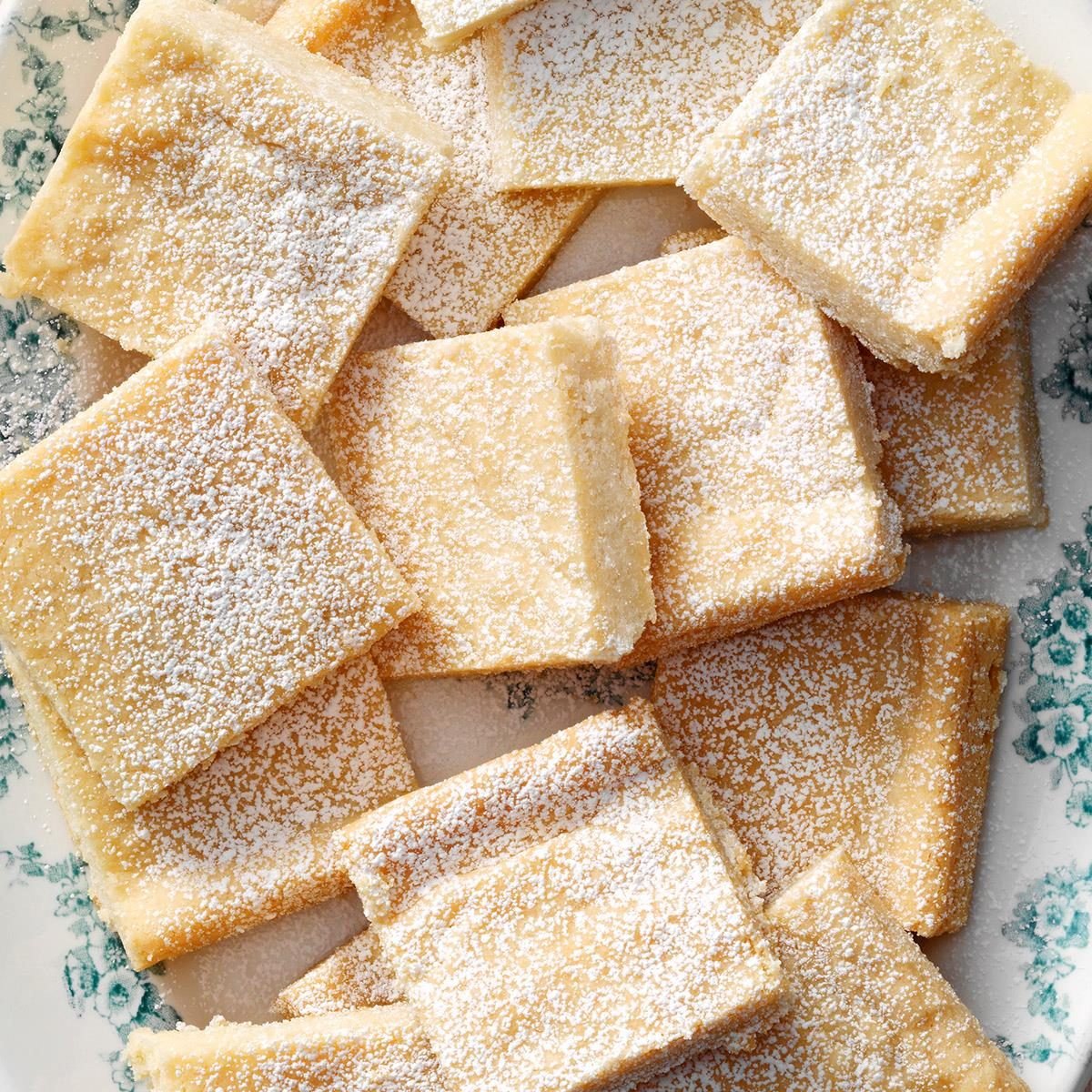
There are few culinary delights as universally cherished as shortbread cookies. With their distinct buttery richness, crisp yet tender texture, and satisfying melt-in-your-mouth quality, these simple biscuits have graced tables for centuries, evolving from a Scottish staple to a global favorite. Far from being relegated to a holiday-only treat, a truly great
shortbread cookies recipe offers year-round versatility, perfect for an afternoon pick-me-up with coffee or tea, an elegant addition to a dessert spread, or a heartfelt homemade gift. If you've ever dreamt of perfecting this classic or giving it your own creative spin, you're in the right place. We're diving deep into the art of shortbread, offering insights, troubleshooting tips, and inspiring ideas to elevate your baking.
The Foundation: Crafting Your Perfect Melt-in-Your-Mouth Shortbread Cookies
At its heart, shortbread’s allure lies in its magnificent simplicity. The best shortbread cookies recipe typically calls for just four fundamental ingredients: butter, sugar, flour, and a touch of cornstarch. It's this minimalist approach that truly allows the quality of each ingredient to shine, particularly the butter, which is the undeniable star of the show. The cornstarch, often a secret weapon for seasoned bakers, plays a crucial role in achieving that coveted tender crumb that practically dissolves on the tongue, preventing the cookies from becoming overly dense or tough.
The process itself is surprisingly straightforward. Creaming softened butter with sugar creates an airy base, which is then gently combined with the dry ingredients. This minimal handling ensures the gluten in the flour doesn't overdevelop, preserving that signature delicate texture. Whether you opt for traditional wedges, charming cut-outs, or convenient slice-and-bake rounds, the key is to allow the dough to chill sufficiently before baking. This not only makes the dough easier to handle but also helps prevent spreading in the oven, ensuring crisp edges and uniform shapes. For a truly unforgettable experience that highlights this classic's buttery perfection, explore our
Easy Buttery Shortbread: Melt-in-Your-Mouth Cookies for a step-by-step guide to achieving shortbread nirvana.
Troubleshooting Crumbly Dough: Achieving Shortbread Perfection
One of the most common challenges bakers face when tackling a
shortbread cookies recipe is a dough that's too dry and crumbly to come together. While shortbread dough is inherently less pliable than many other cookie doughs due to its low moisture content, it should still be workable. If you find yourself with a pile of buttery crumbs rather than a cohesive dough, don't despair! Several factors could be at play, and they're usually easy to remedy:
*
Insufficiently Softened Butter: This is a frequent culprit. Butter that's too cold won't properly emulsify with the sugar or blend effectively with the flour. Ensure your butter is truly softened – pliable but not melted – before you begin creaming.
*
Too Much Flour: Over-measuring flour can quickly dry out any dough. Many home bakers inadvertently compact flour by scooping directly from the bag. For accurate results, always spoon your flour into the measuring cup and level it off with a straight edge. Apply the same precision to your cornstarch measurement.
*
Environmental Factors: While less common, extremely dry climates can sometimes contribute to a drier dough.
If, after checking these points, your dough still resists coming together, here's a tried-and-true trick: knead in an additional tablespoon of softened butter, one teaspoon at a time, until the dough just holds together when pressed. This small adjustment can make all the difference, transforming stubborn crumbs into a beautiful, pliable dough. For more comprehensive guidance and expert solutions to common shortbread dilemmas, delve into
Perfect Classic Shortbread: Pro Tips for Non-Crumbly Dough & Make-Ahead.
Elevating Your Shortbread: Creative Flavor Twists
While the unadorned simplicity of classic shortbread is delightful, its mild, buttery base makes it an incredible canvas for creative flavor infusions. Think of your basic
shortbread cookies recipe as the ultimate starting point for endless variations. Adding flavorings is simple and best done early in the process, typically after creaming the butter and sugar, to ensure even distribution.
Here are some inspiring ideas to transform your shortbread:
*
Citrus Zest: For a bright and fragrant twist, incorporate 2 teaspoons of finely grated lemon, orange, or even lime zest. The natural oils in the zest infuse the cookies with a lovely aroma and subtle tang.
*
Vanilla or Almond Extract: A teaspoon of good quality vanilla extract deepens the classic flavor profile. For a nuttier, more sophisticated note, try a half-teaspoon of almond extract.
*
Warm Spices: A pinch of ground cardamom, cinnamon, nutmeg, or even a blend like pumpkin spice can add comforting warmth, especially perfect for fall or holiday baking.
*
Herbal Infusions: For an unexpectedly elegant twist, finely chop a teaspoon of fresh rosemary or lavender buds and mix into the dough. These impart a delicate, aromatic essence that pairs beautifully with the butter.
*
Mini Chips or Toffee Bits: Fold in a quarter cup of mini chocolate chips, toffee bits, or even finely chopped nuts (like pecans or walnuts) for added texture and flavor.
*
Dips and Drizzles: After baking, transform your shortbread with a simple glaze (lemon, orange, or even a matcha glaze), a drizzle of melted dark or white chocolate, or a sprinkle of flaky sea salt for a sophisticated sweet-and-salty contrast.
Don't be afraid to experiment! The beauty of shortbread is its forgiving nature, allowing you to personalize each batch to your taste or the occasion.
The Art of Make-Ahead: Prep and Storage for Busy Bakers
One of the most appealing aspects of a good
shortbread cookies recipe, particularly for busy individuals or during hectic holiday seasons, is its incredible make-ahead potential. Both the dough and the baked cookies store beautifully, offering flexibility and convenience.
Here’s how to leverage shortbread's impressive shelf life:
*
Dough Preparation (Refrigeration): You can prepare the shortbread dough up to 3 days in advance. Simply wrap it tightly in plastic wrap (or a beeswax wrap for an eco-friendly option) and store it in the refrigerator. This not only saves time on baking day but also allows the flavors to meld, often resulting in an even richer taste. When ready to bake, let the dough sit at room temperature for 10-15 minutes to soften slightly before rolling or shaping.
*
Dough Preparation (Freezing): For longer storage, shortbread dough freezes wonderfully for up to 1 month. Wrap it tightly in plastic wrap, then place it in a freezer-safe bag or airtight container. Thaw the dough in the refrigerator overnight before rolling and baking. You can also form the dough into logs or pre-cut shapes before freezing; once frozen solid, transfer them to a freezer bag for easy "bake from frozen" options (though baking time might increase slightly).
*
Baked Cookie Storage (Room Temperature): Once baked and completely cooled, shortbread cookies maintain their crispness and flavor for up to 1 week when stored in an airtight container at room temperature. Layering them between sheets of parchment paper can help prevent sticking and maintain freshness.
*
Baked Cookie Storage (Freezing): To extend their life even further, baked shortbread cookies can be frozen for up to 3 months. Arrange cooled cookies in a single layer on a baking sheet to flash freeze for about 30 minutes, then transfer them to a freezer-safe bag or airtight container, layering with parchment paper. Thaw at room temperature for a quick and delicious treat whenever a craving strikes.
This make-ahead capability means you can always have delicious homemade shortbread on hand, whether for unexpected guests, a last-minute craving, or simply to lighten your load during a busy week.
Beyond the Cookie Jar: Versatile Uses for Shortbread
While truly delicious on their own, shortbread cookies are more than just a standalone treat. They are, as some affectionately call them, "a conduit, a liaison" – ready to enhance an array of desserts and culinary creations. Unlike sugar cookies, shortbread boasts a distinct texture and buttery flavor profile that lends itself to myriad applications:
*
Dessert Accompaniment: Serve them alongside fresh berries and whipped cream, a scoop of your favorite ice cream, or a rich chocolate mousse.
*
Crumbles and Crusts: Crush leftover shortbread to create a fantastic base for cheesecakes, pie crusts, or individual dessert parfaits. They add a buttery depth far beyond graham crackers.
*
Tarts and Bars: Use shortbread as the crust for lemon bars, fruit tarts, or even layered dessert bars. Its sturdy yet crumbly nature is ideal.
*
Coffee and Tea Pairing: The classic pairing that never disappoints. The buttery crispness of shortbread perfectly complements the warmth of hot beverages.
*
Gifting: Beautifully packaged homemade shortbread makes for a thoughtful and much-appreciated gift for any occasion.
The enduring charm of a well-made shortbread cookie lies in its ability to be both simple and sophisticated, humble and utterly luxurious.
Conclusion
From its simple yet profound origins to its endless potential for customization and make-ahead convenience, the
shortbread cookies recipe stands as a testament to the power of classic baking. Whether you're a novice baker embarking on your first batch or a seasoned pro looking for new inspiration, shortbread offers a delightful journey of buttery bliss. Master the basics, troubleshoot with confidence, explore exciting flavor twists, and leverage its impressive make-ahead capabilities. Once you experience the tender crumb and rich flavor of homemade shortbread, you'll understand why this timeless cookie continues to captivate hearts and palates around the world. So, tie on your apron, gather your ingredients, and prepare to go beyond basic – your perfect shortbread adventure awaits!